TSUE Logo
ENG B2 Level • Upper-Intermediate

Project Management:
The Science and Art

Methodologies, Lifecycle, and Best Practices for Organizational Success.

Atamuratov Nodirbek

Presenter & Student

Press Space or Arrow Keys to Start
Definition

What is a Project?

According to the PMI, a project is a "temporary endeavor undertaken to create a unique product, service, or result."

  • Temporary

    Every project has a definite beginning and a definite end. It is not an ongoing process like operations.

  • Unique

    Projects create something new that has never existed before, driving change.

The Iron Triangle

SCOPE COST TIME QUALITY
Teamwork
Efficiency
Risk Control

Strategic alignment drives competitive advantage.

Strategic Asset

Why Do We Need It?

Without a structured approach, organizations face chaos. Effective project management is a strategic asset that ensures resources are used efficiently.

Cost & Time Savings

Reduces waste and ensures deadlines are met.

Strategic Alignment

Ensures that project tasks contribute to broad business goals.

Lifecycle Phase 1

Project Initiation

The most critical phase. If a project starts on the wrong foundation, it is almost impossible to finish successfully.

  • Project Charter

    The document that formally authorizes the project and outlines objectives.

  • Stakeholder ID

    Identifying anyone affected by the project to manage expectations.

Project Launch

Feasibility Study

"Does this project make financial sense?"

ROI Analysis Market Research Go / No-Go
Planning

The Roadmap

A comprehensive Project Management Plan is the primary reference.

Lifecycle Phase 2

Project Planning

"Failing to plan is planning to fail." This is usually the most time-consuming phase but creates the roadmap for success.

WBS (Work Breakdown Structure)

Dividing total work into smaller, manageable tasks.

Scheduling & Budgeting

Using Gantt charts for timelines and detailed cost estimation.

Lifecycle Phase 3

Project Execution

Where the plans are put into action. The manager shifts from planner to leader and coordinator.

  • Team Leadership

    Motivating the team and resolving conflicts dynamically.

  • Quality Assurance

    Implementing processes to ensure work meets required standards.

In Progress

Dashboard

Plan
Actual
Variance Detected
CPI

0.85

SPI

0.92

Lifecycle Phase 4

Monitoring & Controlling

Happens simultaneously with execution. The goal is to track progress against the original plan.

KPIs & Variance

Are we on schedule? Are we within budget? Measuring performance.

Scope Creep

Uncontrolled changes or continuous growth in a project's scope.

Lifecycle Phase 5

Project Closing

Often neglected, but vital. It involves formally finalizing all activities and handing over the product.

  • Handover & Contracts

    Closing invoices, releasing resources, and delivering to the client.

  • Lessons Learned

    Documenting what went well and what went wrong for future improvement.
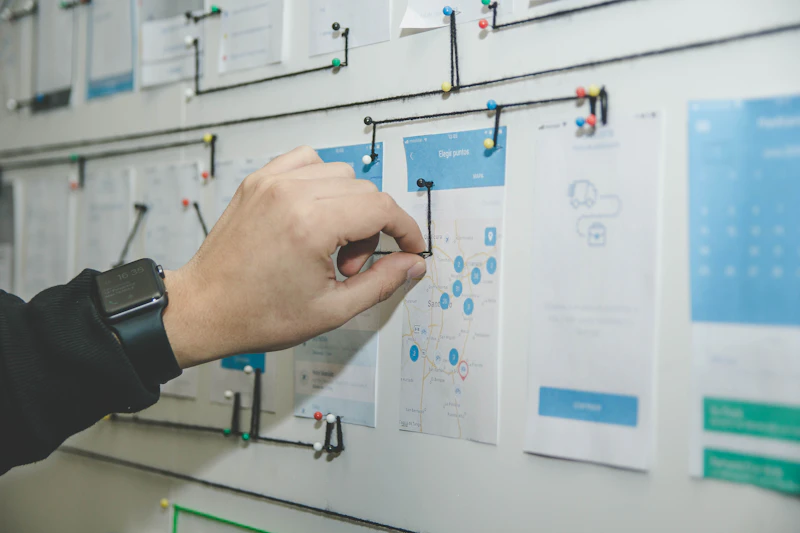
Success

Mission Accomplished

Requirements
Design
Implementation
Verification
Methodologies

Waterfall Model

The traditional linear and sequential approach. One phase must be completed before the next begins.

Pros

Predictable timelines and budgets.

Cons

Rigid. Difficult to change late in the process.

Methodologies

Agile & Scrum

Focuses on iterative progress, customer collaboration, and flexibility. Breaks projects into small cycles called Sprints.

  • Iterative Sprints

    Delivering working portions of the product every 2-4 weeks.

  • Scrum Framework

    Daily stand-up meetings to discuss progress and obstacles.

Agile Team

Continuous Improvement

Risk Matrix

Low
Medium
Medium
High
Uncertainty

Risk Management

Identifying, analyzing, and responding to risk factors. We analyze Probability vs. Impact.

Avoid
Mitigate
Transfer
Accept

"Proactive, not reactive."

The Human Element

Leading the Team

Projects are delivered by people. Soft skills like motivation and conflict resolution are critical.

Tuckman’s Stages

  1. Forming: Getting started.
  2. Storming: Conflict arises.
  3. Norming: Resolving differences.
  4. Performing: Peak efficiency.
Leader

Vision & Trust

90%

Of the Job

Soft Skills

Art of Communication

Poor communication is the leading cause of failure. Managers must define who needs what info, when, and how.

  • Global Teams

    Navigating time zones and cultural differences in virtual environments.

  • Stakeholders

    Tailoring the message: High-level for sponsors, detailed for devs.

Technology

Software & Tools

Leveraging technology to handle complexity. Centralized platforms increase transparency and accountability.

Jira

Tracking

Trello

Kanban

MS Project

Scheduling

Slack

Comms
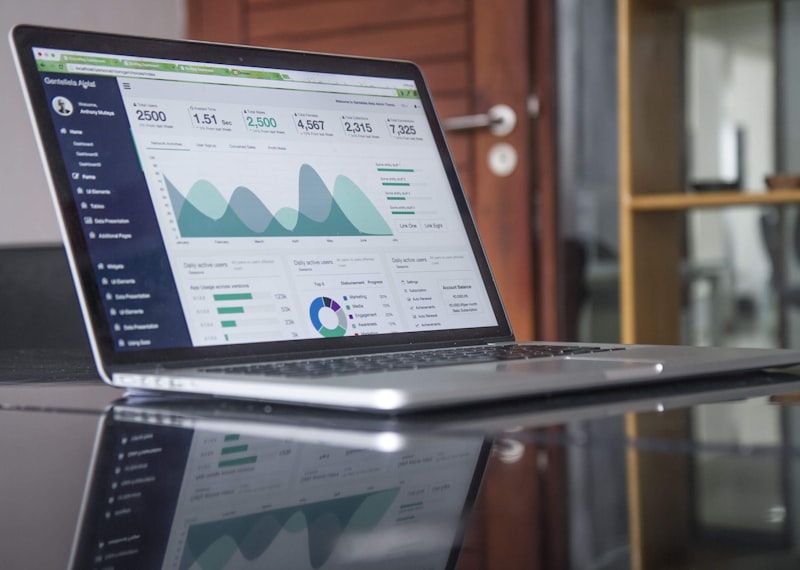
Tech

Digital Transformation

Thank You!

Project management is a vital discipline that combines structure with flexibility, and logic with leadership.

Atamuratov Nodirbek

English B2 • Project Management

Speaker Notes